Renting a Condo in Bangkok: Prices, Contracts and Facilities to Expect
Typical condo facilities, deposits, contracts and utility costs, plus tips to avoid common rental mistakes.
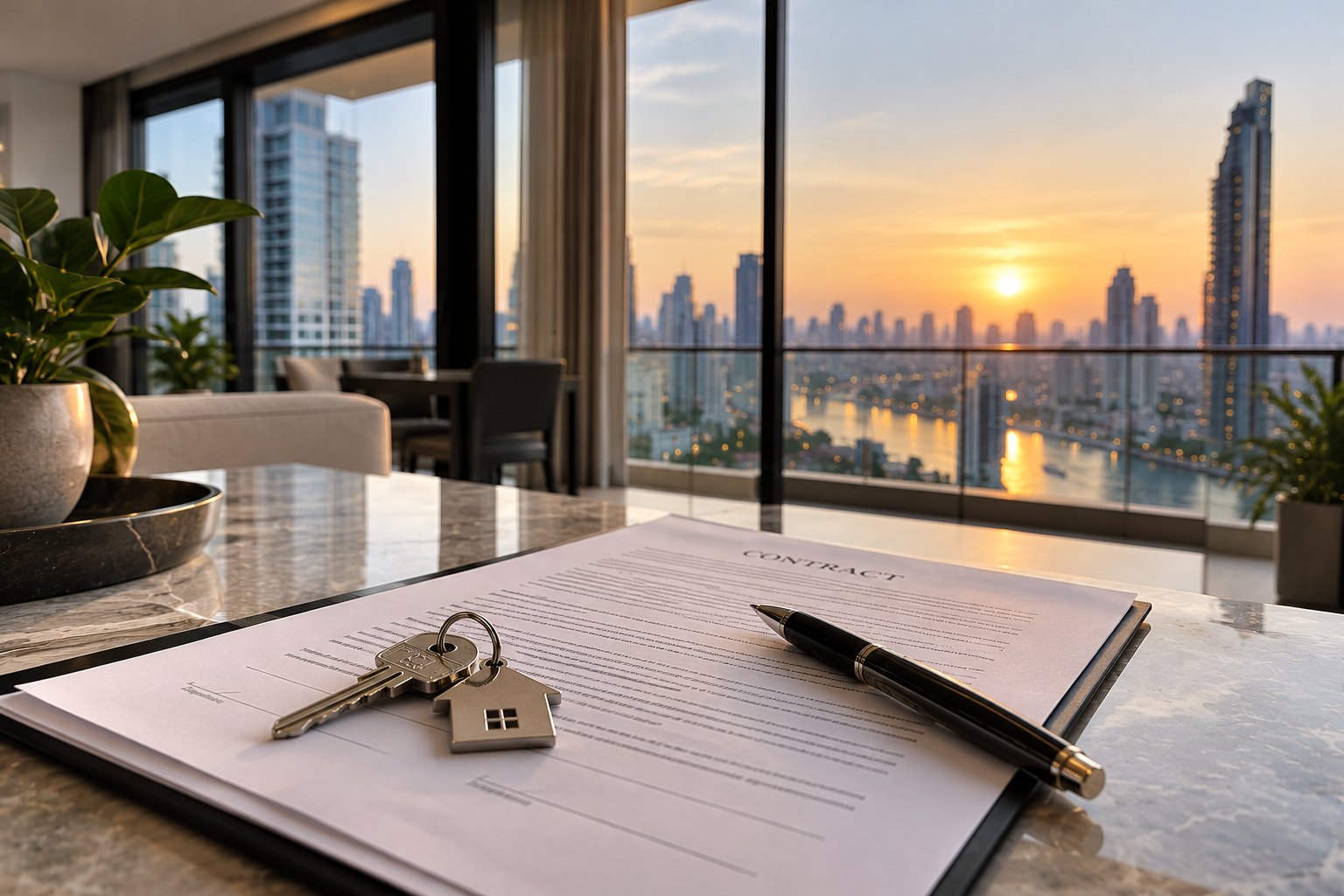
Most expats in Bangkok rent condominiums. They’re convenient, secure and often come with resort-style amenities.
Condo vs apartment
- Condominiums: individually owned units in a building with shared facilities. You rent from the owner or their agent.
- Serviced apartments: run by one company, often include cleaning and utilities, pricier but flexible.
- Local apartments: older, simpler buildings with lower rents and fewer facilities.
Facilities you may find in Bangkok condos
- 🏊 Swimming pool
- 🏋️ Fitness centre
- 🔐 24-hour security
- 🛎️ Reception & parcels
- 🅿️ Covered parking
- 🧖 Sauna & steam
- 💻 Co-working space
- 🌇 Sky lounge & BBQ
- 🧺 Laundry room
- 🛝 Kids’ area
- ☕ Shops & cafés
- 🚐 BTS/MRT shuttle
Inside the unit, expect air conditioning, a water heater, a fridge, a TV and a basic kitchen. Many units are furnished, but check the inventory, including any washing machine and microwave. Parking is often limited for renters and may cost extra.
Typical rental costs
Studios near outer BTS/MRT stations are cheapest, one-bedrooms in central expat areas cost noticeably more, and luxury condos in Thong Lo, Phrom Phong and Sathorn command premium rents. Check DDproperty, Hipflat and Facebook groups for current ranges.
Deposits and contracts
- Length: 12 months is standard; 6 months may cost more per month
- Security deposit: commonly quoted as two months’ rent for many private condo leases, but applicable legal limits depend on the landlord and contract
- Advance rent: often one month, subject to the lease
- Inventory: photograph everything on move-in day and note defects in writing
- Early termination: read the clause, as you may lose your deposit
Insist on a written contract (ideally English and Thai) that names the correct owner.
Utilities and extra fees
- Electricity and water are billed separately. Ask whether they’re charged at official rates or marked up.
- Internet is usually your responsibility; fibre is fast and cheap.
- Common area fees are normally the owner’s, but confirm.
- Cleaning or parking fees may apply.
Red flags
- Large payments requested before you’ve seen the contract
- Prices far below market
- No owner ID or title deed copy offered
- A landlord who won’t handle TM30
Tips for choosing
- Visit in person or take a live video tour with an agent
- Check water pressure, noise and view
- Ask about pool and gym hours and guest rules
- Walk to the station at rush hour
- Ask residents about management and maintenance
Can foreigners buy condos?
Foreign nationals can generally own qualifying condominium units subject to the statutory foreign-ownership quota (commonly described as 49% of the building’s total unit area), documentation and applicable fund-remittance requirements. Use an independent lawyer and check current rules first.
Final thought
Rent for a year first to learn what matters to you before deciding to buy.
Editorial note (October 2026): Visa, immigration, tenancy and ownership rules can change. Verify requirements with the relevant Thai authorities and obtain professional advice where needed.