Relocating to Bangkok: The Complete Step-by-Step Guide for 2026
Planning a move to Bangkok? Visas, budgets, neighbourhoods and pre-flight checks in one practical guide.
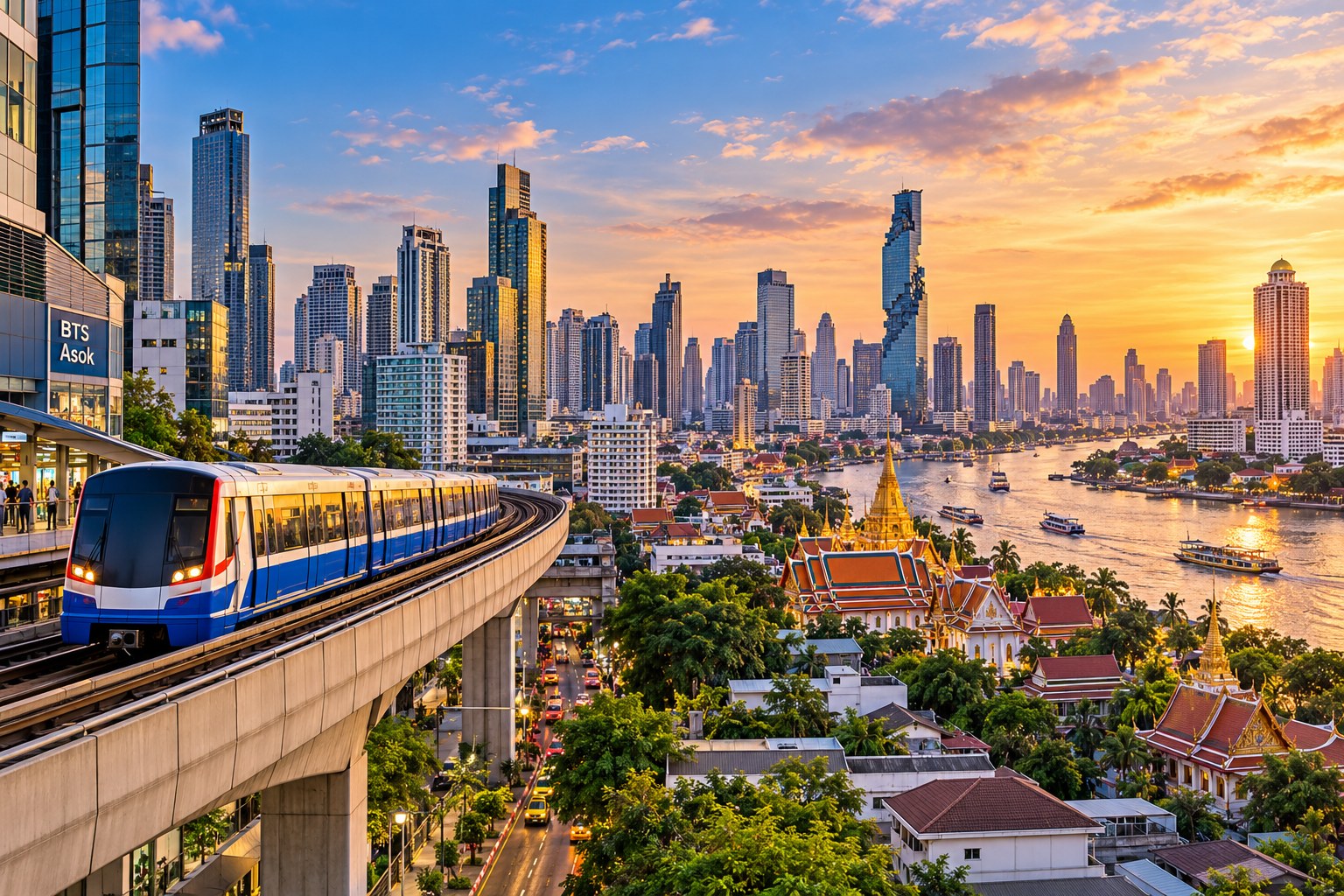
Bangkok is one of the world’s most visited cities, and a growing number of expats, remote workers and retirees choose it for big-city energy at a fraction of Western living costs. Here’s how to move without the stress.
1. Choose the right visa first
Your visa shapes your length of stay and whether you can open a bank account. Common routes:
- Destination Thailand Visa (DTV) and other eligible long-stay routes; check permitted activities and eligibility
- Retirement visas for those over 50 with proof of income or savings
- Education visas for Thai language or university study
- Non-Immigrant B visas and appropriate work authorisation for eligible employment
- Thailand Privilege and other long-term programmes, subject to their eligibility and fees
Thailand updates visa programmes often. Confirm current requirements with your nearest Thai embassy or the official Thai e-Visa website.
2. Build a realistic budget
- Rent: a central condo studio costs more than the same studio at the end of a BTS or MRT line
- Food: street food is cheap; imported groceries and Western restaurants add up fast
- Transport: public transit, taxis and ride-hailing are affordable
- Healthcare: private hospitals are excellent but not cheap, so get insurance
- Utilities: air conditioning dominates your electricity bill
Budget for upfront rent, a security deposit, temporary accommodation, insurance and an emergency reserve. Your actual buffer depends on your lease and circumstances.
3. Pick your neighbourhood
- Sukhumvit (Asok, Phrom Phong, Thong Lo, Ekkamai): the classic expat hub
- Silom and Sathorn: business district feel, parks nearby
- Ari and Phaya Thai: relaxed, café-heavy, popular with remote workers
- On Nut and Bang Na: more affordable, still on the BTS
- Rama 9 and Ratchada: modern condos with MRT access
- Riverside: scenic, quieter, luxurious
Tip: use BTS or MRT proximity as your first filter. A 5–10 minute walk to a station is worth paying for.
4. Before you fly
- Check the passport-validity requirements for your nationality and visa
- Arrange health and travel insurance
- Bring key documents (degrees, birth or marriage certificates), with any required legalisation and translations
- Tell your bank you’re moving, since foreign cards often get blocked
- Get professional advice on Thai and home-country tax residency, foreign-sourced income and work authorisation
- Book 2–4 weeks of short-term accommodation rather than leasing unseen
5. Timing and packing
The cool season (roughly November–February) is the most comfortable time to arrive. March–May is very hot; the rainy season brings daily downpours but cheaper rates. Bring medication (with prescriptions), key electronics and light clothing. Leave bulky furniture behind, because furnished condos are the norm.
Final thought
Arrive, stay short-term, explore different areas, then commit to a lease. Bangkok rewards people who get to know it first.
Editorial note (October 2026): Visa, immigration, tenancy and ownership rules can change. Verify requirements with the relevant Thai authorities and obtain professional advice where needed.